By PowerMatchLab Editorial Team · Last updated September 4, 2026
Short answer: choosing the right power station comes down to six checks — capacity (Wh) for how long you need it, continuous and surge output (W) for what you need to run, battery chemistry, charging options, weight/portability, and any special features (240V, TT-30, UPS switchover, expandability) your specific use case needs.
This guide is the buying-decision hub PowerMatchLab's other guides link back to — each pillar links to the dedicated guide that covers it in depth.
Key takeaways
- Start from your actual devices and use case, not a target price or brand — capacity and output requirements follow from what you'll run and for how long.
- Capacity (Wh) and output (W) are two separate checks; a station can pass one and fail the other.
- Nearly every current model uses LiFePO4 chemistry, so chemistry is less of a differentiator than it once was — but always confirm on the specific product page.
- Charging options (AC watts, solar input, car/DC input) determine how quickly and how you'll realistically recharge it.
- Special features — 120/240V, TT-30, fast UPS switchover, expandability — only matter if your specific use case needs them; don't pay for headroom you won't use.
Pillar 1: Capacity (Wh) — how long it needs to last
List your devices, their real watts, and hours of use per day, then apply PowerMatchLab's standard formula: recommended minimum capacity (Wh) ≈ (daily energy Wh × days of autonomy) ÷ 0.85 usable-energy factor × 1.2 reserve factor. The dedicated sizing guide walks through this in full with a worked example.
Pillar 2: Continuous and surge output (W) — what it can actually run
Capacity alone doesn't guarantee a device will run — add up the running watts of everything you'd use at once for the continuous output check, then add the single largest startup surge on top for the surge check. A station can have plenty of watt-hours and still fail to start a motor-driven appliance if its output rating is too low.
Pillar 3: Battery chemistry
Nearly every current model, including every product in the PowerMatchLab catalog, uses LiFePO4 (LFP) for its long cycle life and thermal stability. Chemistry is less of a differentiator among current products than it was a few years ago, but always confirm the specific figure on the product's own page rather than assuming.
Pillar 4: Charging options
AC charging watts sets the fastest realistic wall-outlet recharge speed. Solar input watts (where verified) determines whether and how well it pairs with panels. Some models also accept car/DC charging. PowerMatchLab's charging guides cover how to estimate real-world charging time for each.
Pillar 5: Weight and portability
Bigger capacity generally means more weight — a real trade-off for anything you carry (backpacking, van life) versus something that stays put (home backup, a vehicle-mounted setup). Check the listed weight on the product page and in the Compare tool before assuming a given capacity is practical for your use case.
Pillar 6: Special features for specific use cases
120/240V output matters only if you have a specific 240V load (well pump, electric range, dryer). A native TT-30 outlet matters for RV owners who want to plug in their factory shore cord directly. Fast UPS switchover (commonly 10-20 ms) matters for automatic cutover on sensitive electronics. Expandability matters if your capacity needs might grow over time rather than staying fixed.
None of these are universally necessary — they're worth paying for only if your specific use case actually needs them, which is why PowerMatchLab has a dedicated guide for each major use case (camping, RV, home backup, remote work/van life).
Putting it together
Run through capacity and output for your actual devices first — those two checks eliminate most unsuitable options immediately. Then filter by whichever special features your use case genuinely needs, and compare weight and charging options among what's left. PowerMatchLab's Power Calculator automates the capacity and output checks against the current catalog once you enter your own device list.
Put a number on it
Related products
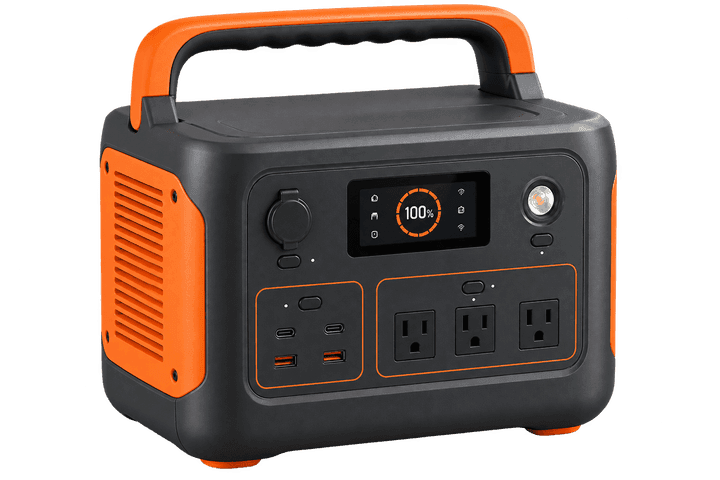
Illustrative image — not an exact product photograph.
- Capacity
- 1,070 Wh
- Output
- 1,500 W
- Weight
- 10.8 kg
Best for: camping, road trips, RV electronics, refrigerator backup
Price, availability and current rating are shown on Amazon — PowerMatchLab does not display them because we have not independently verified them. As an Amazon Associate we may earn from qualifying purchases.
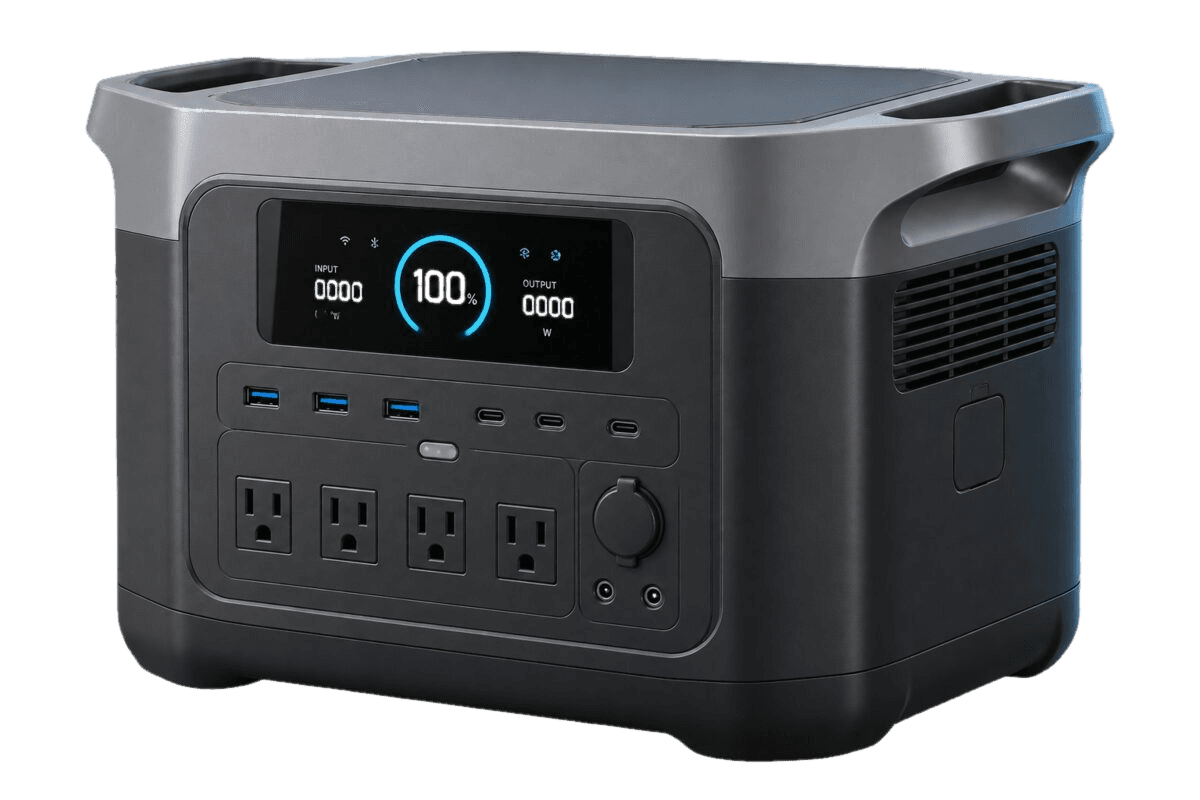
Illustrative image — not an exact product photograph.
- Capacity
- 2,048 Wh
- Output
- 2,400 W
- Weight
- 23 kg
Best for: home backup, camping, refrigerator backup
Price, availability and current rating are shown on Amazon — PowerMatchLab does not display them because we have not independently verified them. This is a normal Amazon product link; affiliate tracking will be added later.
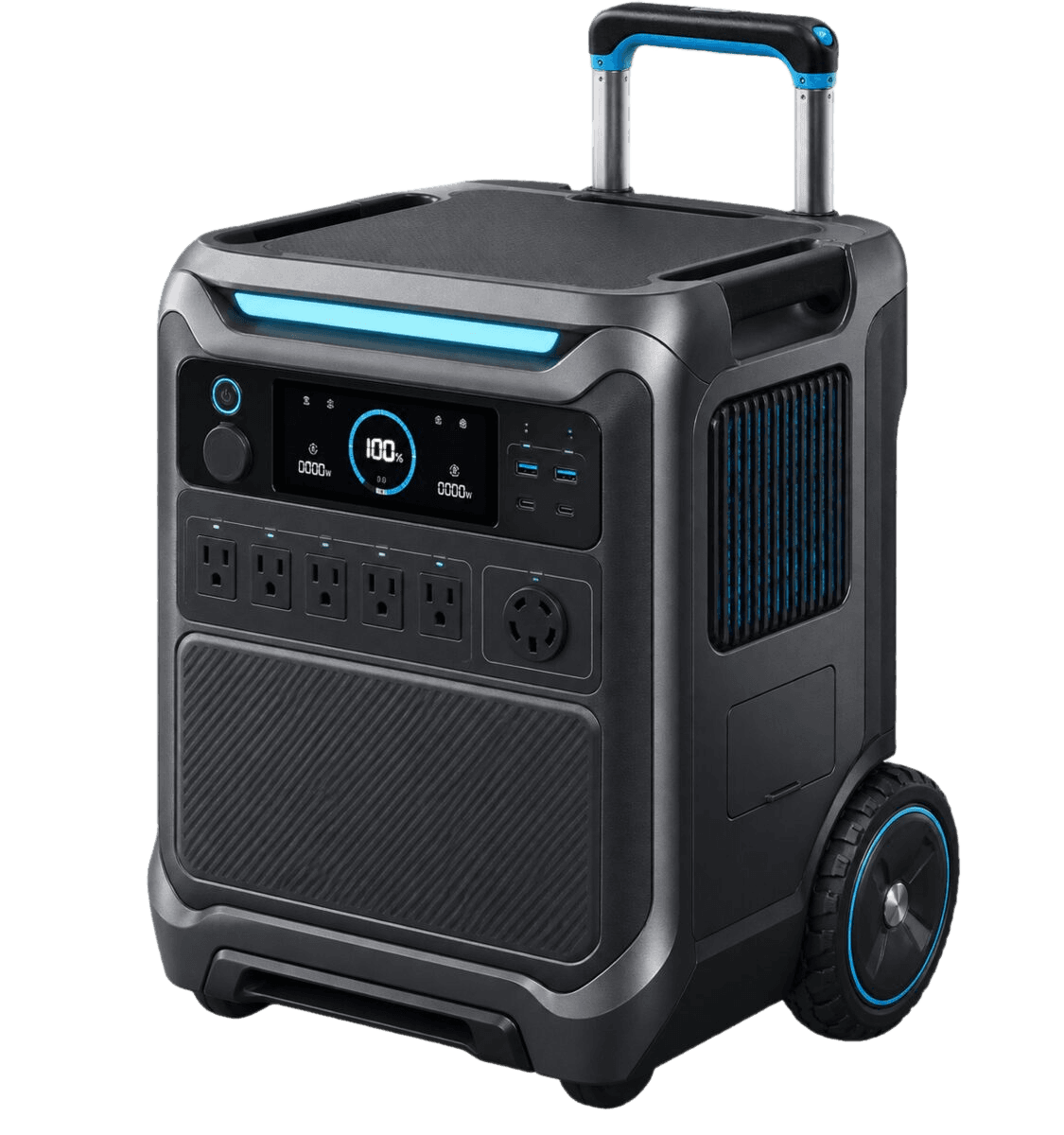
Illustrative image — not an exact product photograph.
- Capacity
- 3,072 Wh
- Output
- 3,600 W
- Weight
- 41.5 kg
Best for: whole-home-leaning backup, large appliances
Price, availability and current rating are shown on Amazon — PowerMatchLab does not display them because we have not independently verified them. This is a normal Amazon product link; affiliate tracking will be added later.
Related guides
FAQ
What's the single most important spec to check first?
There isn't one universal answer — capacity and output are both necessary checks, and a station that fails either one is the wrong choice regardless of how good its other specs look. Start from your actual devices, not a single headline spec.
Is a more expensive power station always better?
Not necessarily — price often tracks capacity, output, brand, and feature set, but the "best" station is the one that clears your specific capacity and output requirements without paying for headroom or features you won't use.
Should I buy based on brand reputation?
Brand can be a reasonable signal for support and warranty service, but always verify the specific model's own specs — capacity, output, chemistry, and charging — rather than assuming every product from a given brand performs the same.
Sources
- Manufacturer specification sheets referenced in products.json
Last updated September 4, 2026. This guide is educational and general; it does not assert product-specific performance beyond what products.json verifies. Some Amazon links on this page are PowerMatchLab Associates links (we may earn from qualifying purchases); others are normal Amazon product links with no affiliate tracking yet — see the disclosure.