By PowerMatchLab Editorial Team · Last updated September 4, 2026
Short answer: in most current marketing, a "solar generator" and a "portable power station" are the same underlying product — a battery, inverter, and BMS in one case. "Solar generator" is typically a marketing term for that same device, sometimes bundled with solar panels, rather than a genuinely different technology.
This guide untangles the terminology so you can evaluate either listing on its actual specs rather than the label used.
Key takeaways
- "Solar generator" does not mean a different core technology — it is generally the same battery-plus-inverter device marketed with a focus on solar charging.
- Some "solar generator" listings bundle solar panels in the box; others use the term for the same standalone unit sold elsewhere as a "power station."
- Every station, regardless of what it's called, can typically also charge via a normal AC wall outlet — solar is one charging input, not the only one.
- Evaluate the actual specs (capacity, output, solar input watts, chemistry) rather than the marketing label, since the label alone doesn't tell you performance.
- If a listing bundles a panel, check whether the panel's specs and price suit your needs, or whether buying the base unit and a separately chosen panel makes more sense.
Why the two terms usually describe the same thing
A "solar generator" almost always contains the same core components as a "portable power station": a rechargeable battery (nearly universally LiFePO4 in current products), an inverter to produce AC output, and a battery management system. It doesn't generate electricity from sunlight directly the way a solar panel does — it stores electricity, some of which may come from an attached solar panel, the rest from an AC wall outlet or other source.
The "generator" part of the name is arguably a misnomer carried over from fuel generators, which is the product category solar-charged battery stations were often marketed to replace.
What can actually differ between listings
The main real difference is bundling: some "solar generator" listings include one or more solar panels in the box or as a package deal, while a "power station" listing more often sells just the base unit, with panels available separately.
Marketing emphasis can also differ — a "solar generator" listing may highlight solar input specs more prominently, but the underlying unit frequently has the identical AC charging, output, and capacity specs as an otherwise-identical "power station" listing from the same or a different brand.
Evaluate on specs, not the label
Whichever term a listing uses, check the same core specs covered throughout PowerMatchLab: capacity (Wh), continuous and surge output (W), battery chemistry, and — specifically relevant here — solar input watts and AC charging watts.
If solar charging matters to you, the solar input watts spec and PowerMatchLab's solar sizing guide are what actually determine whether a given panel setup will charge it adequately — not whether the product is labeled "solar generator" or "power station."
Bundled panel vs. buying separately
A bundled panel can be convenient and sometimes better value, but check that its rated watts and physical size actually suit your use case — a small bundled panel may charge far more slowly than the station's maximum solar input spec allows.
Buying the base unit and a separately chosen panel (or none, if you plan to rely on AC charging) gives more control over sizing but requires doing that sizing yourself — PowerMatchLab's solar panel sizing guide covers the calculation.
Put a number on it
Related products
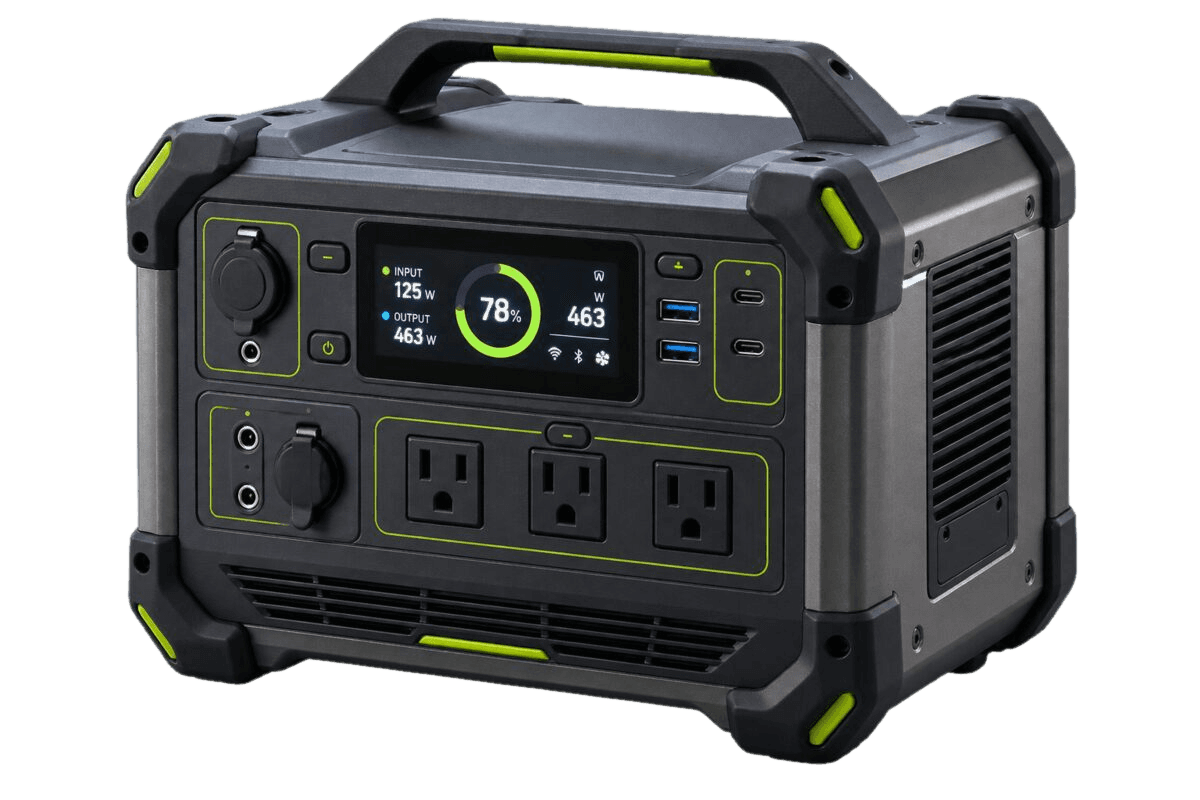
Illustrative image — not an exact product photograph.
- Capacity
- 1,056 Wh
- Output
- 1,600 W
- Weight
- Not verified
Best for: home backup, off-grid use, CPAP use, camping
Price, availability and current rating are shown on Amazon — PowerMatchLab does not display them because we have not independently verified them. This is a normal Amazon product link; affiliate tracking will be added later.
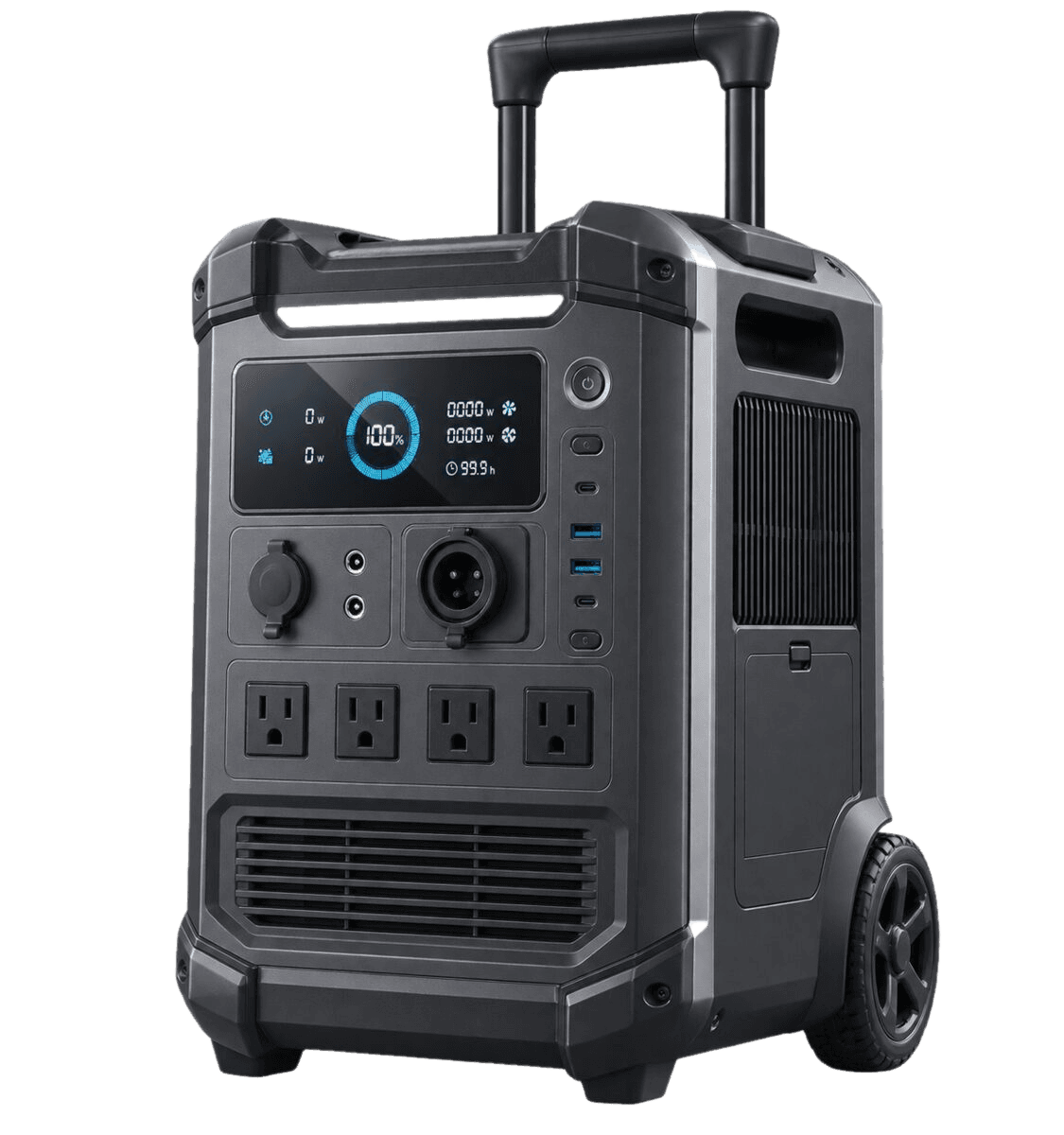
Illustrative image — not an exact product photograph.
- Capacity
- 5,120 Wh
- Output
- 2,200 W
- Weight
- 51 kg
Best for: whole-home backup, emergency backup, off-grid use
Price, availability and current rating are shown on Amazon — PowerMatchLab does not display them because we have not independently verified them. This is a normal Amazon product link; affiliate tracking will be added later.
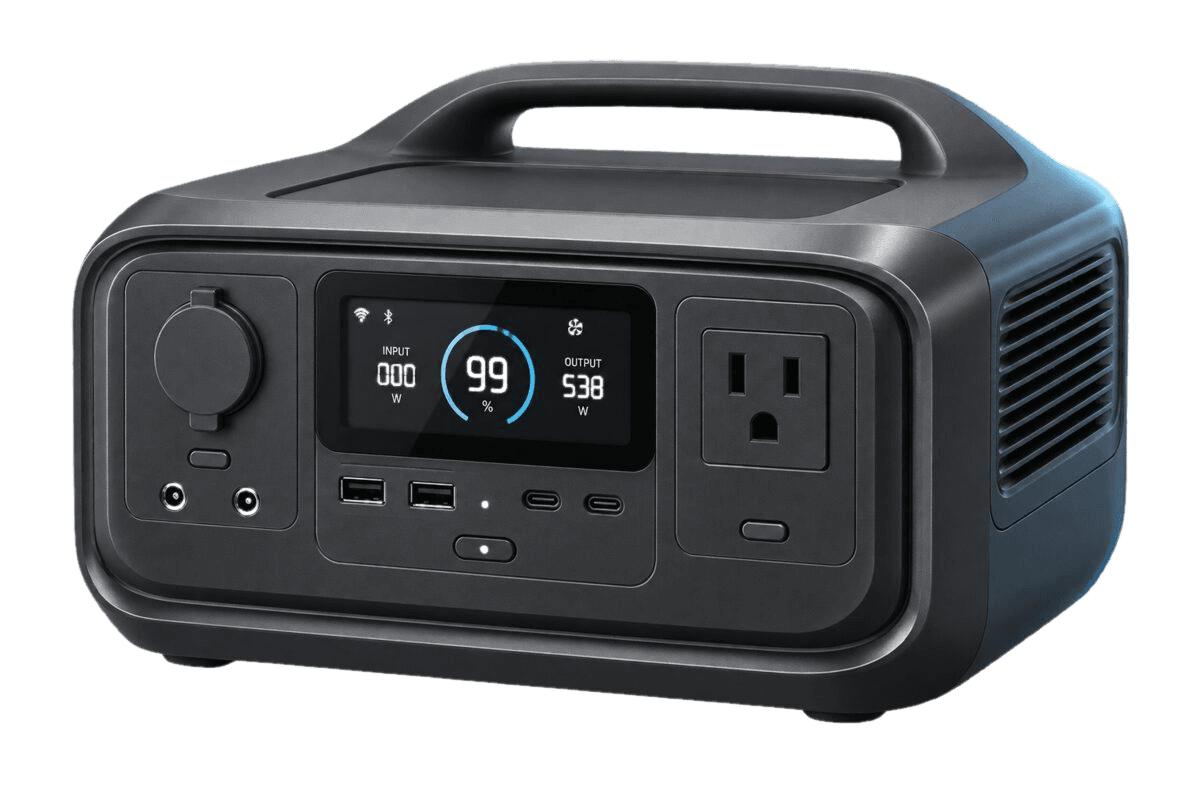
Illustrative image — not an exact product photograph.
- Capacity
- 286 Wh
- Output
- 600 W
- Weight
- Not verified
Best for: camping, day trips, small electronics, light emergency backup
Price, availability and current rating are shown on Amazon — PowerMatchLab does not display them because we have not independently verified them. This is a normal Amazon product link; affiliate tracking will be added later.
Related guides
FAQ
Is a solar generator worse than a portable power station?
Not inherently — in most cases they're the same underlying device. Compare the actual specs (capacity, output, solar input, chemistry) rather than assuming one label implies better or worse hardware.
Do I have to use solar panels with a "solar generator"?
No. Nearly all of these units also accept normal AC wall charging, and many accept car/DC charging too. Solar is one input option among several, not a requirement.
If a listing includes a panel, is it always a better deal?
Not automatically — check the bundled panel's rated watts and whether it suits your setup. A small or low-quality bundled panel may be worth less than buying the base unit and choosing your own panel separately.
Sources
- Manufacturer specification sheets referenced in products.json
Last updated September 4, 2026. This guide is educational and general; it does not assert product-specific performance beyond what products.json verifies. The Amazon links on this page are normal product links; affiliate tracking has not been added for these products yet — see the disclosure.