"LiFePO4 vs. lithium-ion" is one of the most common ways people search this topic, but it's a slightly confusing question on its own terms: LiFePO4 (lithium iron phosphate) is itself a type of lithium-ion battery. This guide untangles the terminology first, then covers what actually differs between the chemistries you'll see in power stations.
For a deeper technical comparison of LiFePO4 against the other lithium-ion chemistry most commonly used in older or lighter power stations, see PowerMatchLab's dedicated LiFePO4 vs. NMC guide, linked below.
Clearing up the terminology
"Lithium-ion" is a broad family name for any rechargeable battery that moves lithium ions between electrodes — it describes the mechanism, not one specific chemical recipe. LiFePO4 (lithium iron phosphate, often shortened to LFP) is one member of that family; NMC (nickel manganese cobalt) and NCA (nickel cobalt aluminum) are others.
So the real-world question people usually mean by "LiFePO4 vs. lithium-ion" is actually LiFePO4 vs. the other common lithium-ion chemistries — mainly NMC — which is a genuinely useful comparison, just phrased slightly imprecisely.
Why the chemistry inside matters to a buyer
Nearly every power station in the current PowerMatchLab catalog uses LiFePO4, which reflects an industry-wide shift over the past several years. The chemistry affects three things buyers actually notice: how many charge cycles the battery realistically survives, how it behaves thermally, and how much it weighs for a given capacity.
Cycle life
LiFePO4 cells typically tolerate several thousand charge/discharge cycles before dropping to 80% of original capacity — often cited in the 3,000 to 6,000+ range depending on the cell and how it's managed. Older NMC packs are usually rated for meaningfully fewer cycles.
For someone charging a station a few times a week, that difference can mean the practical difference between replacing a battery in a few years versus using the same one for well over a decade.
Thermal stability
LiFePO4 is generally regarded as more thermally stable and less prone to thermal runaway than NMC or NCA chemistries, which is a meaningful consideration for a battery you keep indoors, in a vehicle, or near where you sleep.
Energy density and weight
NMC and NCA pack more energy into the same weight and volume than LiFePO4, so a non-LFP station can be lighter for a given capacity. Modern LiFePO4 packs have narrowed this gap considerably compared to earlier generations, but a weight difference generally still exists.
Practical takeaway
For stationary home backup and most RV or camping use, LiFePO4's longevity and thermal stability usually outweigh a small weight penalty, which is a large part of why it now dominates the market. If absolute minimum weight per watt-hour is your top priority over everything else, a non-LFP chemistry may still have an edge — check the battery chemistry field on any product page before assuming.
Put a number on it
Related products
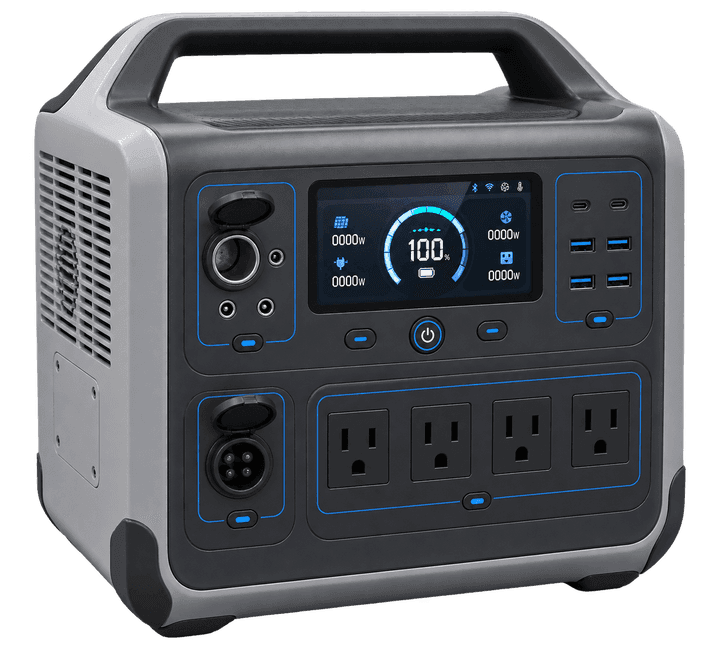
Illustrative image — not an exact product photograph.
- Capacity
- 1,152 Wh
- Output
- 1,800 W
- Weight
- 16 kg
Best for: camping, RV use, refrigerator backup, home emergency backup
Price, availability and current rating are shown on Amazon — PowerMatchLab does not display them because we have not independently verified them. As an Amazon Associate we may earn from qualifying purchases.
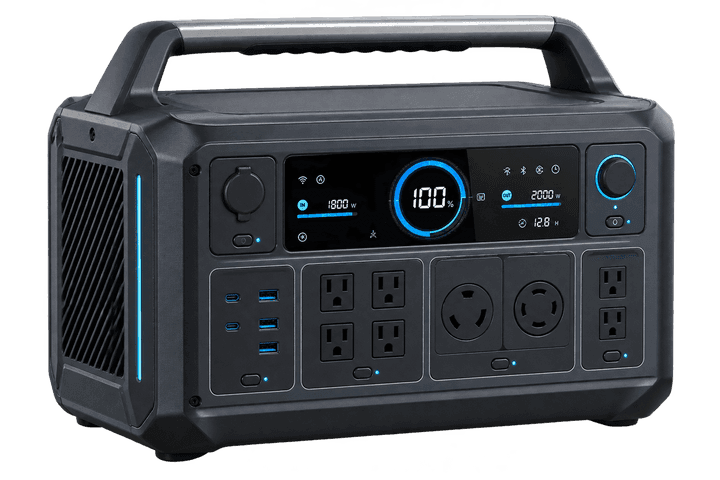
Illustrative image — not an exact product photograph.
- Capacity
- 2,010 Wh
- Output
- 1,500 W
- Weight
- 16.2 kg
Best for: refrigerator backup, extended home essentials, camping, low-load long runtime
Price, availability and current rating are shown on Amazon — PowerMatchLab does not display them because we have not independently verified them. As an Amazon Associate we may earn from qualifying purchases.
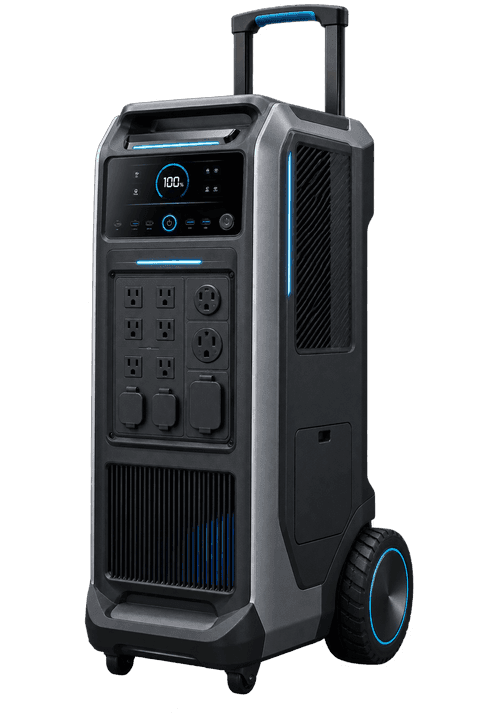
Illustrative image — not an exact product photograph.
- Capacity
- 3,840 Wh
- Output
- 6,000 W
- Weight
- 60 kg
Best for: whole-home backup, RV, 240V appliances, EV emergency charging
Price, availability and current rating are shown on Amazon — PowerMatchLab does not display them because we have not independently verified them. As an Amazon Associate we may earn from qualifying purchases.
Related guides
FAQ
- Is LiFePO4 better than lithium-ion?
- LiFePO4 is a lithium-ion chemistry, not a competing technology — the useful comparison is LiFePO4 against other lithium-ion chemistries like NMC. On cycle life and thermal stability, LiFePO4 generally has an edge; on raw energy density and weight, other lithium-ion chemistries can have an edge.
- Does cold weather affect LiFePO4 differently than other lithium-ion batteries?
- Charging any lithium-ion battery, including LiFePO4, below freezing risks cell damage, so many stations block or limit charging in cold conditions regardless of chemistry. Discharging in the cold is less of a concern but capacity typically drops temporarily.
- How do I know which chemistry my power station uses?
- Check the product's specification sheet or its listing on PowerMatchLab — the battery chemistry field states LiFePO4, NMC, or another chemistry directly rather than leaving it to assumption.
Sources
- U.S. Department of Energy — DOE Explains...Batteries
- Battery chemistry overviews from cell manufacturers and DOE energy storage resources
Last updated September 3, 2026. This guide is educational and general; it does not assert product-specific performance beyond what products.json verifies. PowerMatchLab may earn a commission from Amazon links once the Associates programme is active — see the disclosure.